
Clinicians & physicists
Documentation that respects clinical judgment—consistent across plans, fractions, and modalities without adding friction at the console or treatment-planning workstation.
At the point of care
Stay focused on patients, not paperwork
Radiation oncologists, residents, and medical physicists already carry the cognitive load of complex plans, adaptive workflows, and multidisciplinary coordination. Dataknife reduces the manual reconstruction of records when data lives in the OIS, TPS, imaging systems, and the EHR.
By normalizing treatment intent, delivery details, and supporting artifacts into a shared model, teams spend less time reconciling exports and more time on review, sign-off, and patient-facing work.
- Preserves traceability from planning through treatment delivery
- Aligns documentation with how modalities and techniques are actually used
- Supports sign-off workflows clinicians already trust
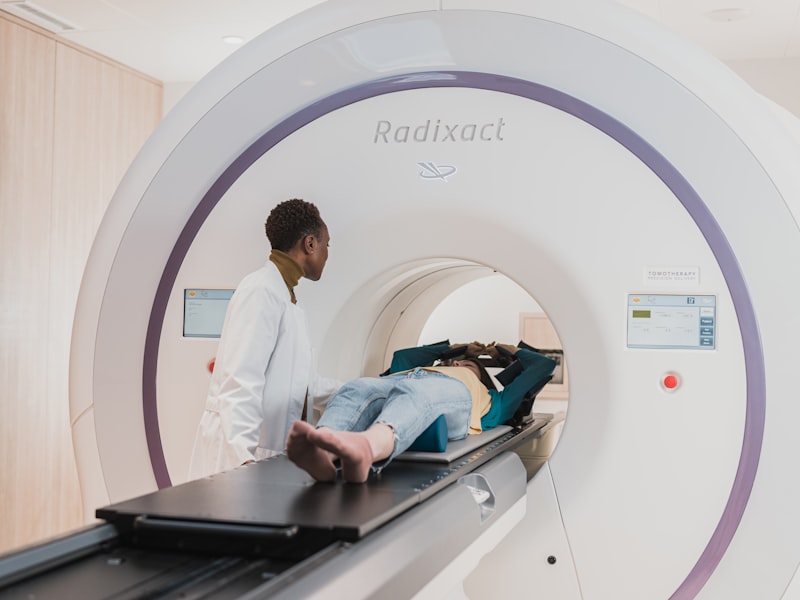
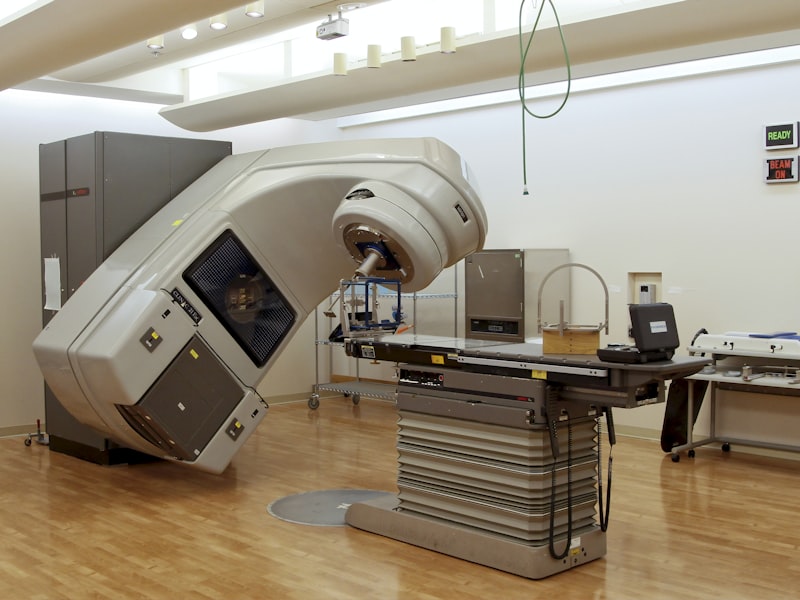
Planning & delivery
One thread from simulation to fraction
Whether care involves 3D conformal, IMRT, VMAT, SRS, or SBRT, documentation expectations differ—and so do the systems that hold the data. Dataknife applies domain-aware normalization so charts, synopses, and operational reports describe the same course of therapy across tools.
Physicists gain confidence that dosimetry summaries, QA checkpoints, and delivery parameters remain linked to the clinical record clinicians see, which matters when plans change, fractions are held, or adaptive paths are considered.
In practice
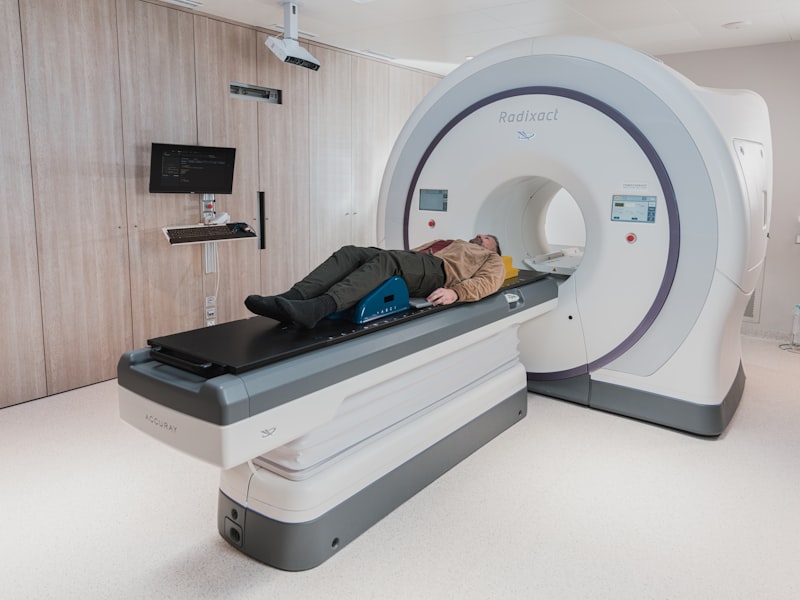
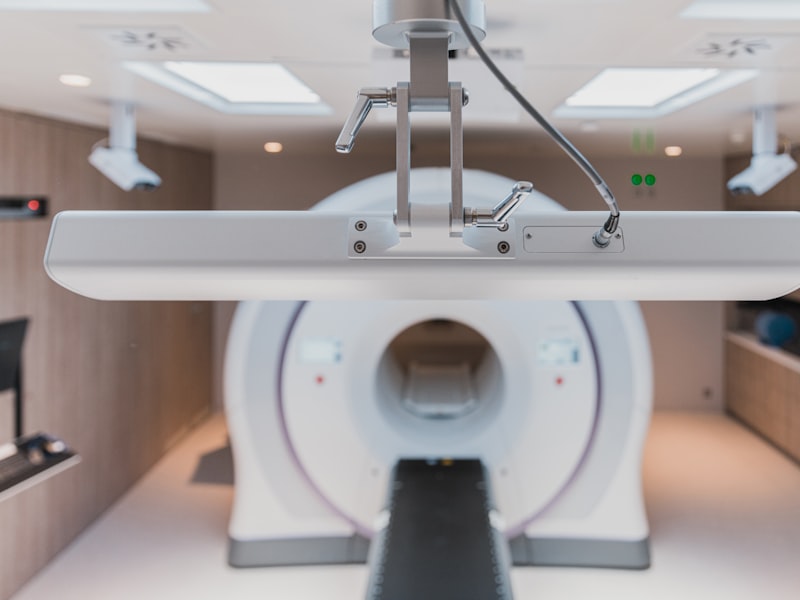
Built around real Radiation Oncology workflows
From chart rounds to on-treatment review, teams need records that are complete, current, and easy to defend.
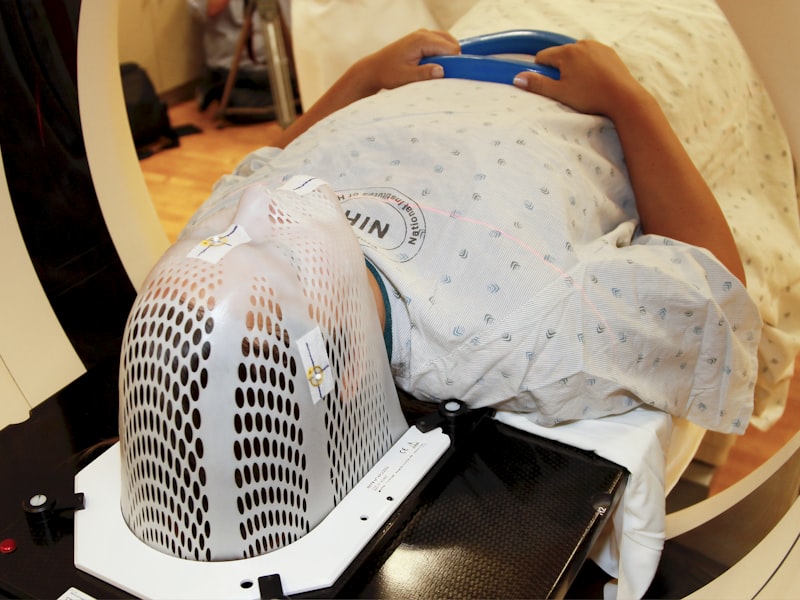
See how Dataknife fits your clinical workflow
We welcome conversations with department chairs, physicists, and clinical informatics leads exploring durable documentation foundations.
Also for